Raja Ampat luxury phinisi yachting is embracing advanced environmental initiatives, focusing on significant CO² reduction, plastic elimination, and the integration of renewable energy. These efforts align with ambitious 2025–2030 industry targets to ensure sustainable operations and preserve the pristine marine environment for future generations of visitors.
The convergence of luxury yachting and environmental responsibility is more critical than ever, particularly in ecologically sensitive regions such as Raja Ampat. Operators in this niche are actively adopting practices that mitigate their environmental footprint, setting a benchmark for sustainable tourism. This commitment is not merely philosophical; it is driven by concrete international targets and innovative technological advancements that are reshaping how luxury expeditions are conducted.
Decarbonisation and Emission Reduction Strategies
The yachting sector faces stringent global mandates to reduce carbon emissions. The International Marine Organisation (IMO) has set an ambitious target of a 50% reduction in CO² emissions by 2050, with critical acceleration phases already underway. For Raja Ampat luxury phinisi operators, this translates into a proactive shift towards cleaner propulsion systems and operational efficiencies.
Furthermore, optimised hull designs and advanced navigation systems contribute to fuel efficiency. By reducing drag and enabling more direct routes, these technologies directly decrease the carbon output per journey. The operational protocols aboard luxury phinisi vessels are being refined to ensure that every aspect of the voyage, from engine management to waste disposal, aligns with these decarbonisation goals.
Combating Plastic Pollution: A Zero-Tolerance Approach
Plastic leakage into the ocean is a grave concern, with an estimated 8 million tonnes entering marine environments annually, taking hundreds of years to degrade. The luxury yachting industry, particularly those operating in delicate ecosystems, is leading the charge to eliminate single-use plastics.
Initiatives include comprehensive bans on single-use plastic bottles, cutlery, and packaging. Instead, vessels are equipped with advanced water filtration and desalination systems, providing clean, drinkable water on board. This not only reduces plastic waste but also minimises the logistical footprint of provisioning bottled water.
The success of such programmes is evident in broader yachting contexts; for instance, The Ocean Race’s 2023 stopover in Itajaí successfully eliminated over 300,000 single-use plastics. These examples provide a clear roadmap for luxury phinisi operators to implement and even surpass similar benchmarks, establishing a truly plastic-free environment on their expeditions.
Embracing Renewable Energy and Energy Independence
The transition to renewable energy sources is a cornerstone of environmental initiatives in luxury yachting. Shipyards like Oceanco are setting ambitious targets, aiming for 100% renewable energy for electricity and 100% waste-free/circular supply chains by 2030. This commitment is already yielding results, with Oceanco’s Alblasserdam facility generating 250,000 kWh/year of renewable energy, nearly covering its entire electrical demand.
For Raja Ampat luxury phinisi, this translates into practical applications:
- Solar Panels: Strategically placed, high-efficiency solar panels are integrated into the vessel’s design to maximise sunlight absorption. These panels power onboard electronics, lighting, and even luxury amenities, significantly reducing reliance on generators.
- Wind Power: While less common for traditional phinisi sails, modern concepts incorporate auxiliary wind power, such as vertical axis wind turbines, to supplement propulsion and generate electricity.
- Battery Storage: Advanced battery banks store excess renewable energy, allowing vessels to operate silently on electric power for extended periods, especially during anchorages, further reducing noise pollution and emissions.
The ultimate goal is energy independence, where vessels can generate sufficient power from renewable sources to meet most, if not all, of their operational needs, particularly when cruising through sensitive marine protected areas.
Advanced Water and Waste Management
Beyond plastic elimination, comprehensive water and waste management systems are integral to sustainable yachting. Modern luxury phinisi are equipped with advanced desalination systems that convert seawater into potable water using onboard renewable energy, drastically reducing the need to carry large volumes of fresh water.
Waste management protocols extend to sophisticated recycling programmes for all recyclable materials, and responsible disposal of non-recyclable waste in designated facilities ashore. Biodegradable cleaning products and toiletries are standard, preventing harmful chemicals from entering the marine environment. Grey and black water treatment systems ensure that all wastewater is treated to international standards before discharge, or, ideally, held for discharge in approved port facilities.
| Environmental Initiative | Impact Area | Target/Implementation Example |
|---|---|---|
| Hybrid Electric Propulsion | CO² Emissions & Noise | Feadship aims for 100% hybrid or fully electric power by 2025. |
| Single-Use Plastic Ban | Ocean Plastic Leakage | Elimination of 300,000+ single-use plastics (The Ocean Race 2023). |
| Solar Power Integration | Energy Consumption | High-efficiency panels for onboard electronics and amenities. |
| Advanced Desalination | Freshwater Dependency | Seawater conversion for drinking, powered by renewables. |
| Waste Recycling Programmes | Solid Waste Management | Comprehensive sorting and responsible disposal ashore. |
Noise Reduction and Marine Life Protection
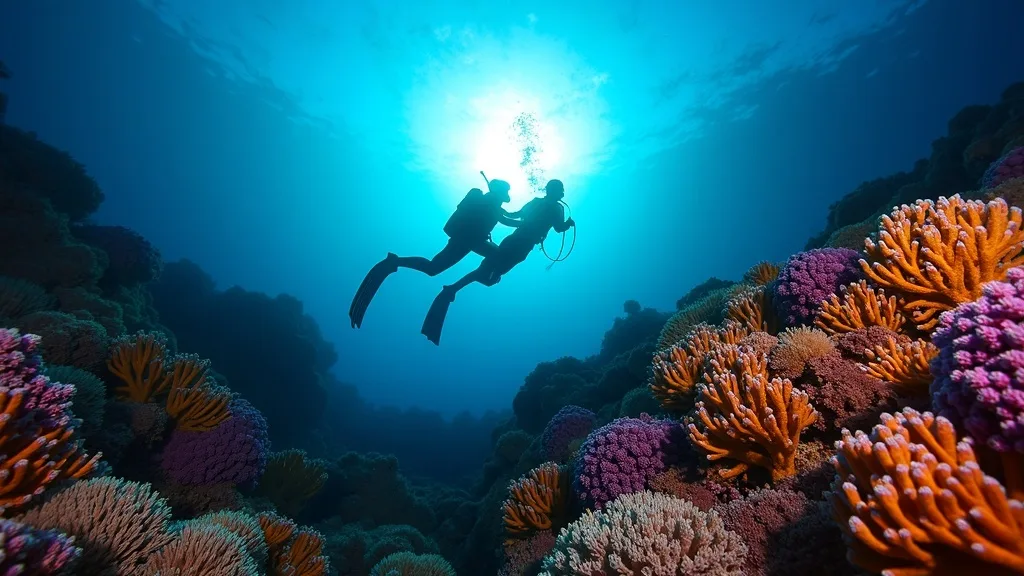
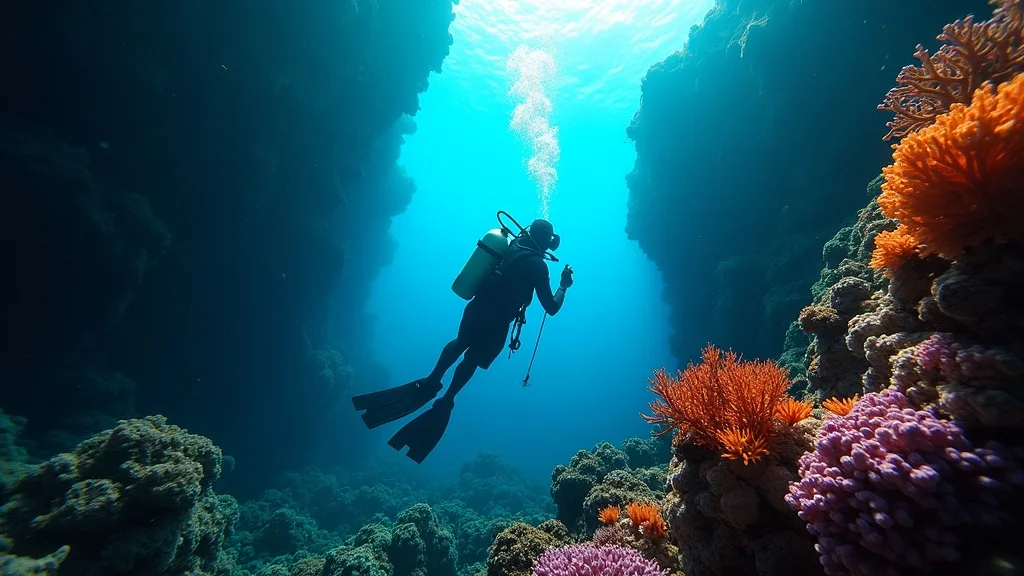
The serenity of Raja Ampat is as much about its acoustic environment as its visual splendour. Traditional yachting can contribute to underwater noise pollution, which can disrupt marine life, particularly whales and dolphins. The adoption of hybrid and fully electric propulsion systems significantly mitigates this issue.
Electric motors are virtually silent, ensuring peaceful anchorages and minimal disturbance to marine ecosystems. This allows guests to experience the natural soundscape of Raja Ampat truly, while simultaneously protecting sensitive marine species from anthropogenic noise. Further protocols include strict adherence to speed limits in marine protected areas and maintaining respectful distances from wildlife. The focus on noise-free operations is a direct benefit of the technological shift towards sustainable power sources.
2027 Note: As of July 2026, the yachting industry is actively working towards the 2025–2030 targets. While specific pricing and logistical details for 2027 are still solidifying, the technical metrics and operational protocols outlined here represent the definitive direction and commitment of luxury phinisi operators for the upcoming years. The focus for 2027 and 2030 editions of major yachting events and industry roadmaps will increasingly be on comprehensive sustainability, including education and outreach in every city-station visited.
FAQ
What specific CO² reduction targets are luxury phinisi yachts aiming for?
Luxury phinisi yachting aligns with the International Marine Organisation’s mandate for a 50% reduction in CO² emissions by 2050, with accelerated phases beginning now, focusing on hybrid electric propulsion and operational efficiencies.
How are luxury phinisi eliminating plastic waste?
They implement comprehensive bans on single-use plastics, utilise advanced onboard desalination systems for drinking water, and have strict recycling programmes, mirroring successful initiatives that have eliminated hundreds of thousands of single-use items in similar contexts.
What renewable energy sources are used on luxury phinisi?
Luxury phinisi integrate high-efficiency solar panels for onboard electricity and increasingly utilise hybrid electric propulsion systems, sometimes supplemented by auxiliary wind power, to minimise reliance on fossil fuels and reduce noise during operation.